The content on this site may include affiliate links. As an Amazon Associate I earn from qualifying purchases. This means that, at zero cost to you, we will earn an affiliate commission if you click on one of the links and buy something.
Chicken katsu is one of those dishes that feels like a warm hug: crisp on the outside, juicy inside, and deeply satisfying. It’s a Japanese take on a breaded cutlet, often served with a tangy sauce and a mound of shredded cabbage or rice. The beauty is in its simplicity—every step is easy, and the results feel restaurant-worthy. If you’re new to frying, this recipe is forgiving. And if you already love katsu, this version keeps it classic while being doable on a weeknight.
Why This Recipe Works
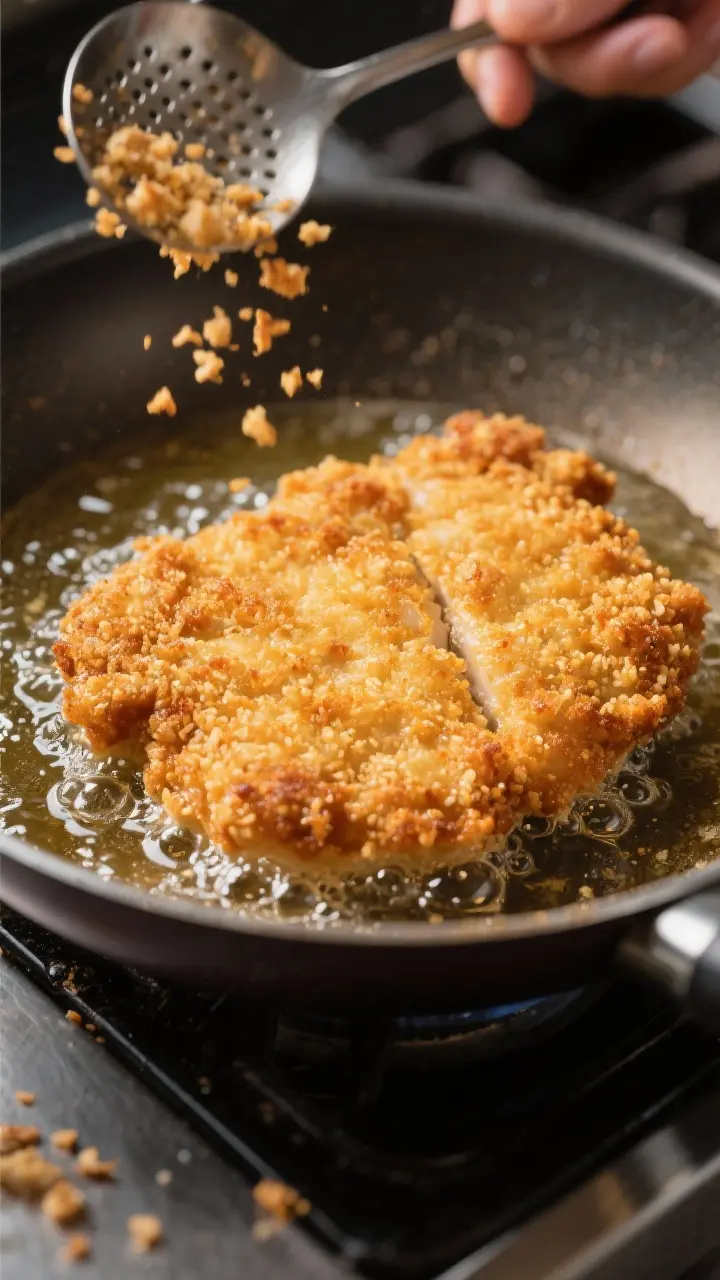
This recipe relies on thin, evenly pounded chicken cutlets so they cook fast without drying out. The three-step breading—flour, egg, and panko—creates a sturdy, shattering crust that stays light.
Panko breadcrumbs are the star because they’re coarser and airier than regular breadcrumbs, which means extra crunch. A quick shallow fry in neutral oil keeps the crust clean and golden, not greasy. The katsu sauce, with its sweet-savory tang, ties everything together and balances the richness.
What You’ll Need
- Chicken: 2 large boneless, skinless chicken breasts (about 1 to 1.25 lb total)
- Salt and pepper: For seasoning the chicken
- All-purpose flour: 1/2 cup, for dredging
- Eggs:</strong 2 large, beaten
- Panko breadcrumbs: 1.5 to 2 cups
- Neutral oil for frying: Such as canola, vegetable, or peanut oil
- Katsu sauce (tonkatsu-style): Store-bought, or mix 3 tbsp ketchup, 1.5 tbsp Worcestershire sauce, 1 tsp soy sauce, 1 tsp sugar, and a small splash of rice vinegar
- Optional sides: Steamed rice, shredded cabbage, lemon wedges, and sliced scallions
Step-by-Step Instructions
- Prepare the chicken: Slice each chicken breast horizontally to make 2 thinner cutlets (you’ll have 4 total).Place them between two sheets of plastic wrap and gently pound to an even 1/2-inch thickness. Season both sides with salt and pepper.
- Set up your breading station: Arrange three shallow bowls: one with flour, one with beaten eggs, and one with panko. Keep them in that order.
- Dredge the cutlets: Coat each cutlet lightly in flour, shaking off excess.Dip into the egg, letting extra drip off. Press firmly into the panko so it adheres well. Set on a tray to rest for 5 minutes.
This helps the coating stick.
- Heat the oil: Pour oil into a large skillet to a depth of about 1/4 inch. Heat over medium to medium-high until the oil shimmers. A breadcrumb should sizzle immediately when dropped in.Target 340–350°F if using a thermometer.
- Fry the chicken: Add 1–2 cutlets at a time without crowding. Cook 3–4 minutes per side, until deeply golden and crisp. Adjust heat as needed to keep the oil hot but not smoking.
- Drain and rest: Transfer cutlets to a wire rack set over a sheet pan, or to a paper-towel-lined plate.Sprinkle with a pinch of salt while hot. Let rest 2–3 minutes.
- Make or stir the sauce: If mixing your own, whisk the ketchup, Worcestershire, soy sauce, sugar, and rice vinegar until smooth. Taste and tweak: add a pinch of sugar for sweetness, or more Worcestershire for depth.
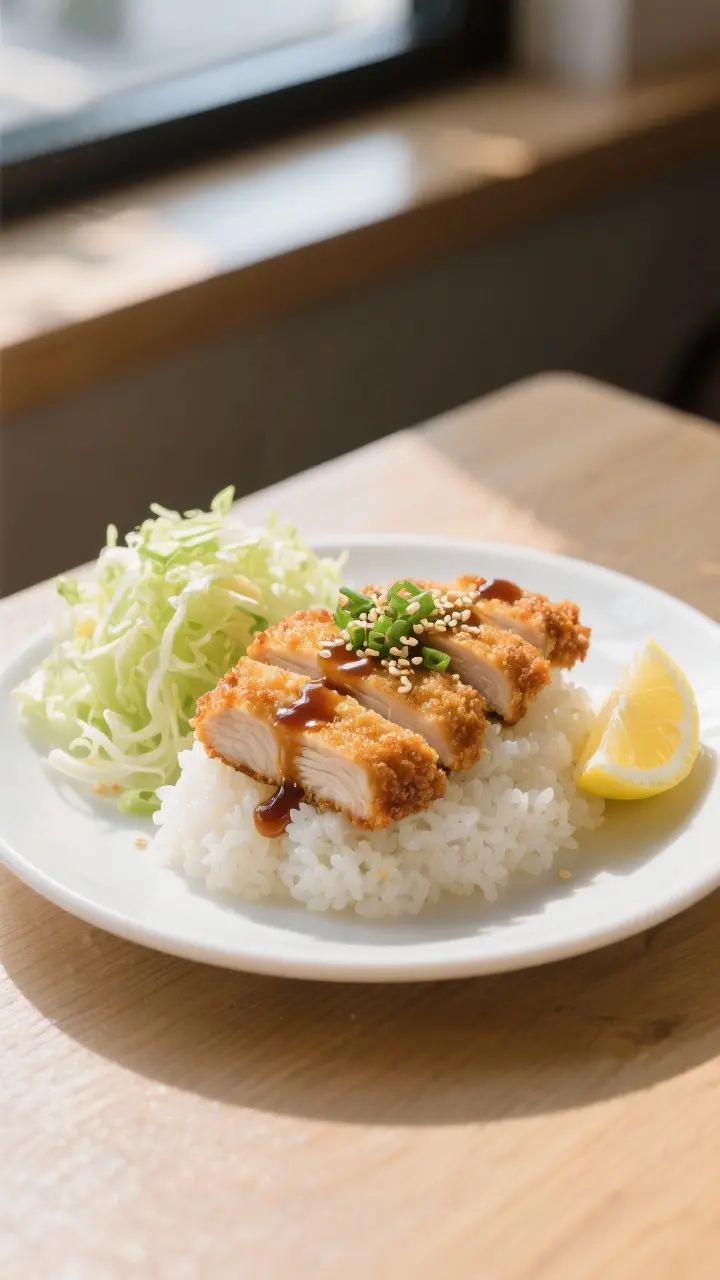
- Slice and serve: Cut the katsu into strips with a sharp knife.Serve over rice or alongside shredded cabbage. Drizzle with katsu sauce or serve it on the side. Add lemon wedges for brightness.
How to Store
- Refrigerate: Cool completely, then store in an airtight container for up to 3 days.Place paper towels between layers to keep the crust drier.
- Reheat: Use an oven or toaster oven at 375°F for 8–12 minutes, or an air fryer at 360°F for 5–7 minutes. Avoid microwaving—it softens the crust.
- Freeze: Freeze cooked cutlets on a sheet pan until solid, then bag and store for up to 2 months. Reheat from frozen in a 375°F oven for 15–20 minutes.
- Sauce: Store sauce in the fridge for up to a week in a sealed container.
Why This is Good for You
Chicken katsu isn’t health food, but you can make it feel balanced.
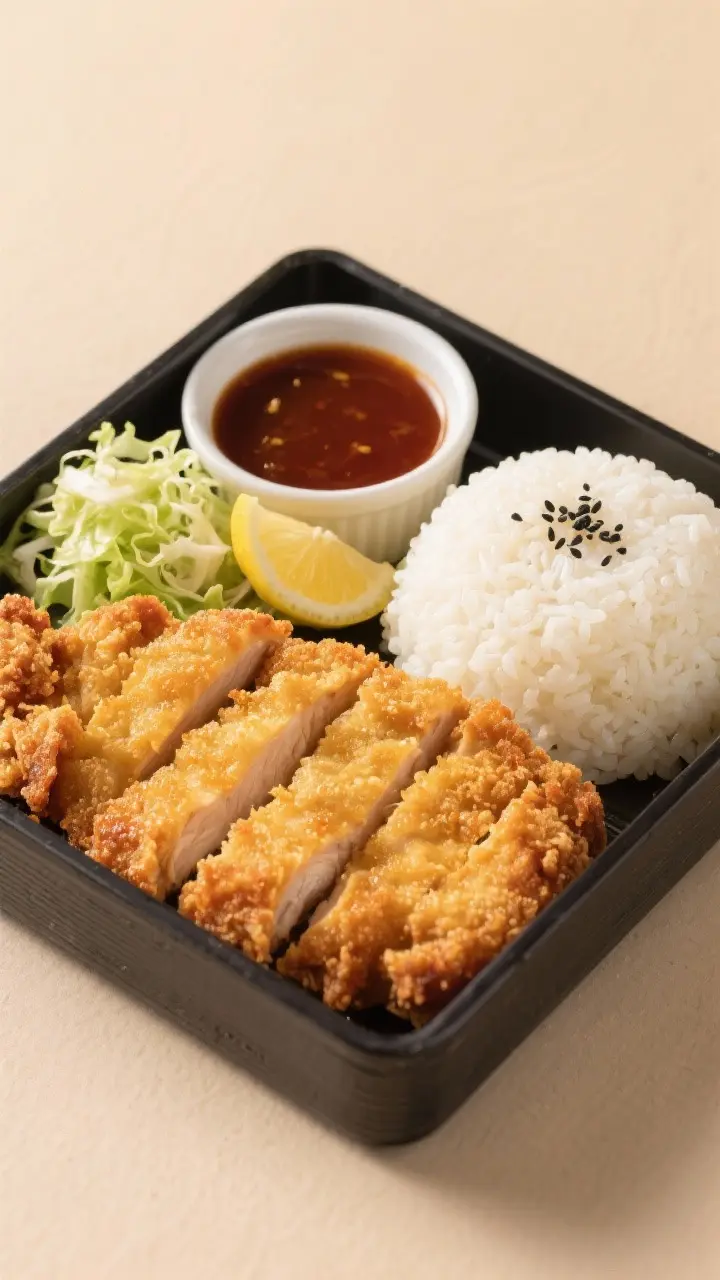
Thin cutlets mean shorter frying time, so they absorb less oil. Pairing with shredded cabbage adds fiber and freshness, and a lemon wedge perks up flavor without extra fat. Using a neutral, high-oleic oil or air-frying helps manage the oil factor.
Portion-wise, serving it sliced over rice with lots of cabbage keeps things satisfying without going overboard.
Pitfalls to Watch Out For
- Cutlets too thick: Thick chicken won’t cook evenly and may burn on the outside. Pound to an even 1/2 inch.
- Coating falling off: Skip the rush. Pat the chicken dry, flour lightly, and press the panko on.Let breaded cutlets sit 5 minutes before frying.
- Greasy crust: Oil not hot enough leads to soggy results. Aim for 340–350°F and avoid crowding the pan.
- Burnt crumbs in the pan: Strain or scoop out loose crumbs between batches to keep the oil clean and prevent bitterness.
- Overcooking: Pull the cutlets once they’re golden and the internal temp hits 165°F. Rest a couple of minutes before slicing.
Alternatives
- Protein swaps: Try pork loin (tonkatsu), turkey cutlets, or extra-firm tofu sliced and pressed.For fish, use firm white fish like cod or haddock.
- Baking or air-frying: For a lighter version, spray breaded cutlets with oil and bake at 425°F for 15–20 minutes, flipping once, or air-fry at 380°F for 10–12 minutes.
- Gluten-free: Use rice flour instead of all-purpose flour and gluten-free panko. Check your soy sauce (or use tamari).
- Spice it up: Add a little cayenne to the flour or a splash of sriracha to the sauce. You can also mix toasted sesame seeds into the panko.
- Sauces: Swap katsu sauce with a quick curry sauce, Japanese mayo with lemon, or a honey-mustard drizzle.
- Sides: Serve with Japanese curry and rice for katsu curry, or make a simple salad with cabbage, carrots, and a sesame dressing.
FAQ
You can, but the crust won’t be as airy or crisp.
Panko gives you that signature light crunch. If using regular breadcrumbs, avoid super fine ones and don’t pack them too hard onto the chicken.
Do I need a thermometer to fry?
It helps, but it’s not essential. The oil is ready when a breadcrumb sizzles instantly and turns golden within about 30 seconds.
If the cutlets brown too fast but are raw inside, lower the heat slightly.
What’s the best oil to use?
Choose a neutral oil with a high smoke point, like canola, vegetable, peanut, or rice bran oil. Olive oil is not ideal here because it can burn and add strong flavor.
How do I keep the crust from getting soggy?
Drain on a wire rack, not just paper towels. Don’t cover the chicken while it cools, and slice only right before serving.
Reheat in a hot oven or air fryer to revive the crunch.
Is katsu sauce the same as tonkatsu sauce?
They’re closely related. “Katsu sauce” in many stores is essentially tonkatsu sauce—sweet, tangy, and savory. The quick homemade version in this recipe gets you very close.
Can I prep this ahead?
Yes. Bread the cutlets and refrigerate, uncovered, for up to 4 hours.
Fry just before serving. You can also fry ahead and reheat in the oven, but the freshest fry is best.
What if I don’t eat eggs?
Use a slurry of 2 tablespoons cornstarch mixed with 1/3 cup water or unsweetened plant milk instead of egg. It helps the panko stick surprisingly well.
How thin should I pound the chicken?
Aim for a consistent 1/2 inch.
Any thinner and it may overcook quickly; thicker pieces can end up pink in the center before the crust is done.
In Conclusion
Chicken katsu proves that simple techniques deliver big comfort. With thin cutlets, panko, and hot oil, you get a crisp, juicy cutlet that pairs with almost anything. Keep the sides fresh, the sauce tangy, and the portions reasonable, and it becomes a weeknight favorite you’ll make again and again.
Once you’ve nailed the basics, try the variations and make it your own. It’s the kind of recipe that earns a permanent spot in your rotation.
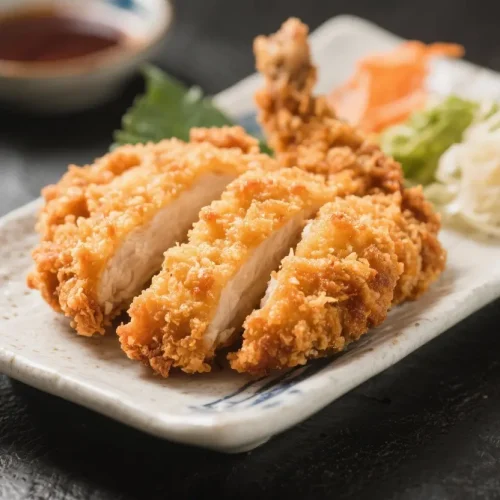
Chicken Katsu - Crispy, Comforting, and Simple to Make
Ingredients
- Chicken: 2 large boneless, skinless chicken breasts (about 1 to 1.25 lb total)
- Salt and pepper: For seasoning the chicken
- All-purpose flour: 1/2 cup, for dredging
- Eggs:
- Panko breadcrumbs: 1.5 to 2 cups
- Neutral oil for frying: Such as canola, vegetable, or peanut oil
- Katsu sauce (tonkatsu-style): Store-bought, or mix 3 tbsp ketchup, 1.5 tbsp Worcestershire sauce, 1 tsp soy sauce, 1 tsp sugar, and a small splash of rice vinegar
- Optional sides: Steamed rice, shredded cabbage, lemon wedges, and sliced scallions
Instructions
- Prepare the chicken: Slice each chicken breast horizontally to make 2 thinner cutlets (you’ll have 4 total). Place them between two sheets of plastic wrap and gently pound to an even 1/2-inch thickness. Season both sides with salt and pepper.
- Set up your breading station: Arrange three shallow bowls: one with flour, one with beaten eggs, and one with panko. Keep them in that order.
- Dredge the cutlets: Coat each cutlet lightly in flour, shaking off excess. Dip into the egg, letting extra drip off. Press firmly into the panko so it adheres well. Set on a tray to rest for 5 minutes. This helps the coating stick.
- Heat the oil: Pour oil into a large skillet to a depth of about 1/4 inch. Heat over medium to medium-high until the oil shimmers. A breadcrumb should sizzle immediately when dropped in. Target 340–350°F if using a thermometer.
- Fry the chicken: Add 1–2 cutlets at a time without crowding. Cook 3–4 minutes per side, until deeply golden and crisp. Adjust heat as needed to keep the oil hot but not smoking.
- Drain and rest: Transfer cutlets to a wire rack set over a sheet pan, or to a paper-towel-lined plate. Sprinkle with a pinch of salt while hot. Let rest 2–3 minutes.
- Make or stir the sauce: If mixing your own, whisk the ketchup, Worcestershire, soy sauce, sugar, and rice vinegar until smooth. Taste and tweak: add a pinch of sugar for sweetness, or more Worcestershire for depth.
- Slice and serve: Cut the katsu into strips with a sharp knife. Serve over rice or alongside shredded cabbage. Drizzle with katsu sauce or serve it on the side. Add lemon wedges for brightness.
Printable Recipe Card
Want just the essential recipe details without scrolling through the article? Get our printable recipe card with just the ingredients and instructions.